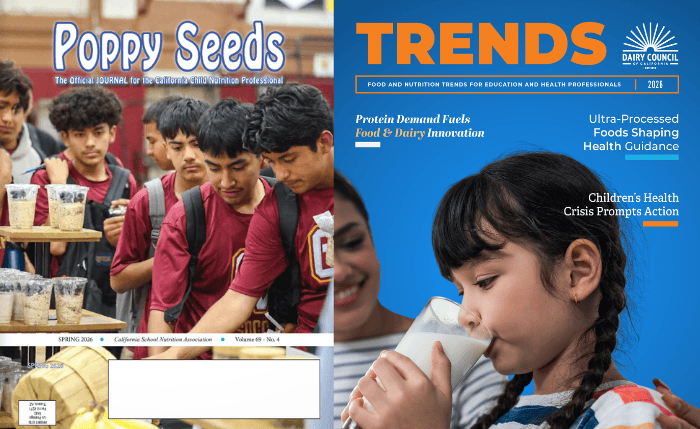
Originally published in the April 2026 edition of PoppySeeds, the Official Journal for the California Child Nutrition Professional
Dishing Up the 2026 Nutrition Trends, Shaping Children's Health Author: Alyssa McClelland MS, Director, Initiatives & Engagement, Dairy Council of California
School food programs play a unique role at the intersection of nutrition science, policy, daily school operations and student health needs. I have seen firsthand how school meals support student health, academics and overall well-being. One way Dairy Council of California supports this important work is through its Trends program, which provides timely insights into nutrition, health, schools and the broader food system. These insights are translated into practical implications to support informed decision-making as the nutrition landscape continues to evolve.
For more than 40 years, Dairy Council of California’s Trends program has tracked shifts across nutrition science, the food system, consumer behavior and the school environment. The program team monitors these trends year-round for educators, school nutrition professionals, dairy industry members and community partners. The goal is simple: provide insights that help schools and industry alike adapt to a rapidly changing nutrition landscape while keeping student health as a top priority.
Below are highlights from the 2026 Trends: Food and Nutrition Trends for Education and Health Professionals publication that are relevant to children’s health and anyone supporting school meals.
 Trend 1: Rising Protein Demand Drives Food Industry Innovation, With a Spotlight on Dairy
 Protein continues to dominate nutrition conversations among families, students, food manufacturers and health professionals. According to the International Food Information Council’s 2025 Food & Health Survey, 70% of Americans actively seek out protein foods, making high-protein diets among the most common dietary patterns in the past year.
Part of this surge in protein interest is linked to emerging weight-loss medications such as GLP-1s, which suppress appetite and heighten the need to prioritize adequate protein to maintain muscle mass. Dairy foods, including milk, yogurt and cheese, offer high-quality protein alongside 12 essential nutrients such as potassium and vitamin B12, supporting both daily nutrient needs and long-term health.
Implications:
 Trend 2: Ultra-Processed Foods Are Shaping the Future of Health Guidance
 Ultra-processed foods have become a central focus of nutrition research and policy debates. For California, the signing of AB 1264, named the Real Food, Healthy Kids Act, demonstrates momentum of state-level action to phase out harmful ultra-processed foods in school meals. National data shows that more than half of daily calories in the United States come from ultra-processed foods, with youth consuming a greater share than adults2. This pattern contributes to diet-related chronic disease risks.
It is important to note that a commonly used food classification system called NOVA categorizes foods by processing level; however, this system may oversimplify how foods affect health because it doesn’t consider nutrient composition or the food matrix. For example, yogurt is often processed but is linked with health benefits like lower risk of type 2 diabetes and improved weight outcomes. This example underscores the need for nuanced understanding rather than blanket categorization of foods.
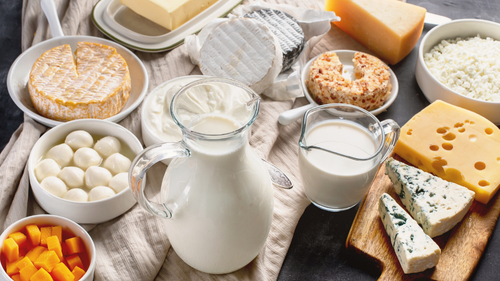
Dairy is a strong example of how food processing plays a critical role in ensuring safety and quality. Pasteurization makes raw milk safe for consumption while preserving its nutritional value, enabling it to be used in a wide range of nutritious foods such as fluid milk, yogurt, kefir, cheese, and more. These processes help maintain nutrition quality while making dairy foods safe, accessible, affordable, and nourishing for families.
Implications:
 Trend 3: Children’s Health Crisis Spurs National Action
 Children’s health indicators in the United States have worsened over the past 15 years. Rising rates of chronic conditions, including prediabetes, obesity and mental health concerns, present urgent challenges. For example, an estimated 1 in 3 teens has prediabetes, according to the Centers for Disease Control and Prevention, and severe obesity rates continue to climb, particularly among older adolescents and Black children.3
Creative partnership strategies are essential to address the health crisis. Across California, initiatives led by grant programs such as the California Farm to School Incubator Grant Program and the California Foundation for Agriculture in the Classroom Literacy for Life Grants are expanding locally sourced foods for school meals, as well as supporting school gardens and experiential agricultural learning, while private-sector partners like Danone North America and FoodCorps are strengthening hands-on food literacy in schools.
This trend highlights the crucial role that consistent access to balanced nutrition, health screening, education and supportive community environments plays in prevention and early intervention.
Implications:
 Trend 4: Food and Health Initiatives Expand as Nutrition Is Integrated into Health Care
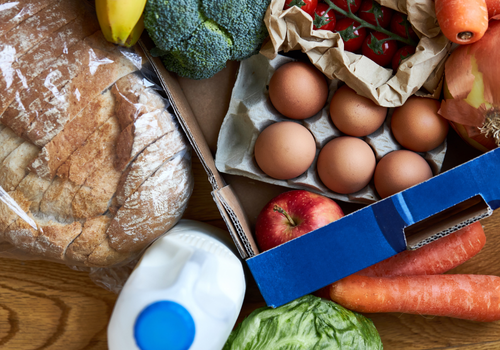
 Nutrition is increasingly recognized as critical to disease prevention and management, not just clinical treatment. Food Is Medicine approaches such as prescribed produce, medically tailored meals and food boxes paired with nutrition education have shown positive impacts on diet quality and food security.
Efforts to integrate nutrition into health care also include expanding nutrition education for health professionals. Recent initiatives urge medical training programs to include comprehensive nutrition education, reinforcing food’s role in patient care and community well-being.
Implications:
School nutrition is a team effort. Whether working directly in schools or providing support as a supplier or partner, staying informed about emerging trends helps everyone make better decisions for menus, products, partnerships and policies.
I encourage you to explore the full 2026 Trends report and its list of references and consider how these insights can support your role within the school nutrition community.
By learning together and planning ahead, school meals can continue to be strengthened as a foundation for student health, academic success and well-being, now and into the future.
References: