Milk, yogurt & cheese offer essential nutrients that may support child growth, bone health, reduce diabetes & heart disease risk.
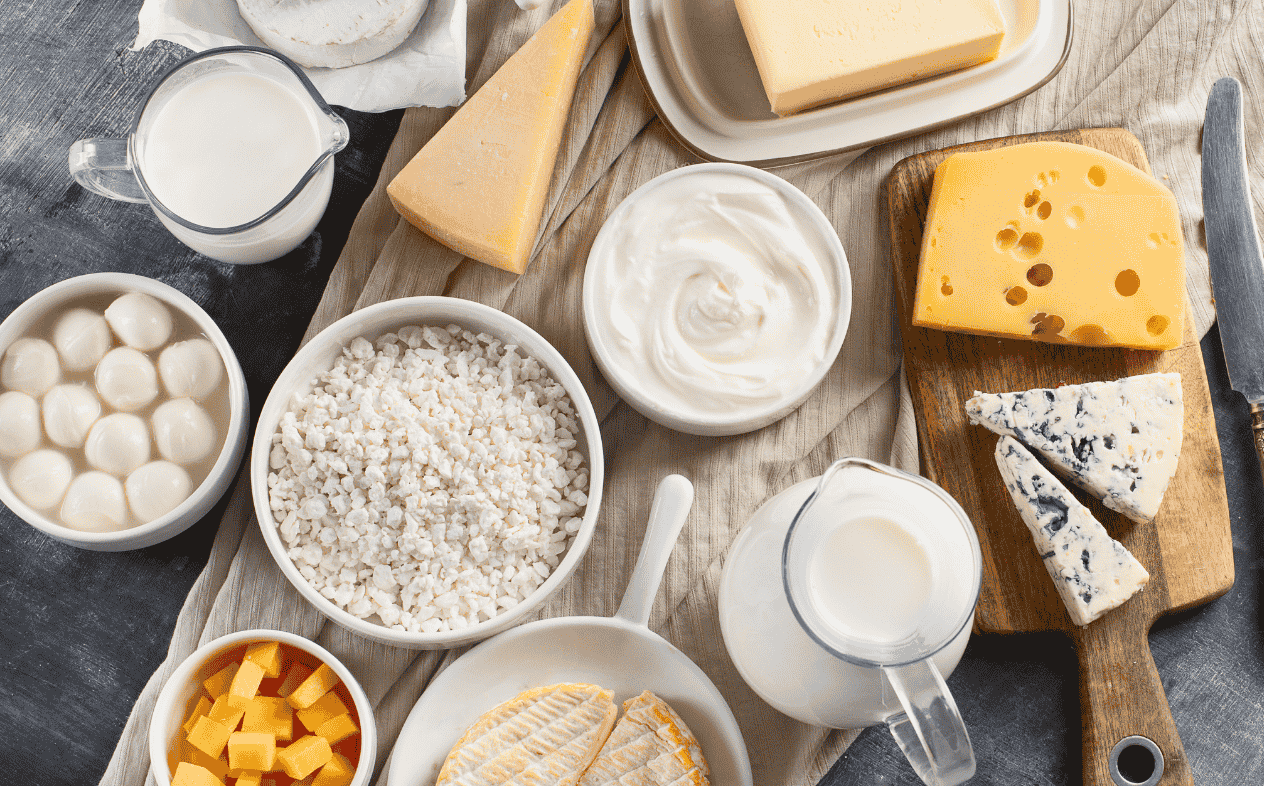

Dairy foods remain a recommended component of healthy diets in the Dietary Guidelines for Americans. Dairy foods at all fat levels are high-quality, nutrient-dense foods and provide essential nutrients like calcium, vitamin D, potassium and more, which support optimal growth, bone health and overall wellness.
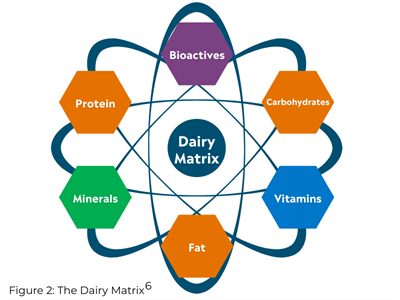
The dairy matrix refers to the relationship among nutrient and non-nutrient components in dairy, including bioactive components, proteins, lipids, micronutrients (like calcium, vitamin D, potassium and magnesium) and probiotics (in fermented dairy foods such as yogurt and cheese), as well as physical structure, texture and form. The dairy matrix helps explain milk and dairy foods’ positive impact on overall health, beyond its contribution of individual nutrients.
Whole-fat dairy foods such as milk, yogurt and cheese can be a part of healthy eating patterns. The fat in milk and dairy foods is the most complex of all naturally occurring fats and includes a diverse array of unique fatty acids—including short-, medium-, branched- and odd-chain fatty acids—that have been linked with health benefits on satiety, gut health and body composition. Dairy foods, regardless of fat content, contribute beneficial nutrients to the diet, including high-quality protein, calcium, vitamin D, potassium and more.
Dairy foods are an excellent source of high-quality protein because they contain all nine essential amino acids in a bioavailable and digestible form. Adequate intake of high-quality protein foods like milk, yogurt and cheese is important at every life stage.

Flavored milk and yogurt are good or excellent sources of the same essential nutrients that are found in unflavored dairy. The addition of small amounts of added sugar (10g or less) to nutrient-dense foods like milk and yogurt, when consumed as a part of an overall healthy diet, can help encourage consumption of several essential nutrients, including calcium, vitamin D and potassium. Furthermore, the U.S. Food and Drug Administration approved the first-ever qualified health claim for yogurt, irrespective of sugar or fat content, recognizing a potential link between its regular consumption and a reduced risk of type 2 diabetes.
Nutrients are not consumed in isolation; thus, considering the health effects of whole foods is important in recommendations for healthy eating patterns. Research indicates that a focus on avoiding individual nutrients may lead to unintended consequences related to nutrient adequacy, diet quality and metabolic health. Flavored milk and yogurt, as well as other foods like oatmeal or whole-grain toast that are flavored with small amounts of added sugar are examples of the balance needed to limit added sugars while still promoting nutrient-dense foods.
Dairy foods offer health attributes that are different from plant-based and other animal-source foods due to dairy’s complex combination of nutrients, bioactive peptides and other components. There is significant variation in nutrient composition among plant-based milk alternatives, and they often contain inadequate protein, lower protein quality and insufficient levels or reduced bioavailability of essential vitamins and minerals. Directly substituting plant-based beverages for cow’s milk in dietary patterns may lead to unintended consequences for meeting nutrient recommendations due to the wide variability in nutrient content and limited evidence of impact on diet quality and health outcomes. An overall diet adjustment may be needed to ensure adequate intake of key nutrients if non-nutritionally equivalent plant-based beverages are substituted in the diet.
| Toddlers | 12 to 23 months | 12/3 to 2 cups |
| Children | 2-3 years | 2 to 21/2 cups |
| 4-8 years | 21/2 cups | |
| Girls | 9-13 years | 3 cups |
| 14-18 years | 3 cups | |
| Boys | 9-13 years | 3 cups |
| 14-18 years | 3 cups | |
| Women | 19-30 years | 3 cups |
| 31-59 years | 3 cups | |
| 60+ years | 3 cups | |
| Men | 19-30 years | 3 cups |
| 31-59 years | 3 cups | |
| 60+ years | 3 cups |
The calories you need depend on your age, sex, height, weight, and level of physical activity.
USDA Dietary Reference Intakes (DRI) Calculator for Healthcare Professionals
Dairy includes whole, reduced-fat, low-fat, or nonfat dairy products, including fluid, dry, or evaporated milk; yogurt; and cheeses. Lactose-free and lactose-reduced dairy products, as well as fortified dairy alternatives, are options for
individuals with a lactose sensitivity. Examples of one serving of dairy include 1 cup of milk, 1 oz. or one slice of cheese, ¾ cup of yogurt, ½ cup of cottage cheese.
One serving of milk provides an excellent or good source of thirteen essential nutrients including:
| Calcium
| Helps build and maintain strong bones and teeth | 25% Daily Value |
| Protein
| Helps build and repair tissue. Helps maintain a healthy immune system. | 16% Daily Value |
| Vitamin D
| Helps build and maintain strong bones and teeth. Helps maintain a healthy immune system. | 15% Daily Value |
| Phosphorus
| Helps build and maintain strong bones and teeth, supports tissue growth. | 20% Daily Value |
| Vitamin A
| Helps keep skin and eyes healthy; helps promote growth. Helps maintain a healthy immune system. | 15% Daily Value |
| Riboflavin
| Helps your body use carbohydrates, fats and protein for fuel. | 30% Daily Value |
| Vitamin B12
| Helps with normal blood function, helps keep the nervous system healthy. | 50% Daily Value |
| Pantothenic Acid
| Helps your body use carbohydrates, fats and protein for fuel. | 20% Daily Value |
| Niacin
| Used in energy metabolism in the body. | 15% Daily Value |
Zinc
| Helps maintain a healthy immune system, helps support normal growth and development and helps maintain healthy skin. | 10% Daily Value |
| Selenium
| Helps maintain a healthy immune system, helps regulate metabolism and helps protect healthy cells from damage. | 10% Daily Value |
| Iodine
| Necessary for proper bone and brain development during pregnancy and infancy; linked to cognitive function in childhood. | 60% Daily Value |
| Potassium*
| Helps maintain a healthy blood pressure and supports heart health. Helps regulate body fluid balance and helps maintain normal muscle function. | 10% DRI |


A growing body of research suggests consuming dairy foods has beneficial or neutral associations with type 2 diabetes incidence in adults and that these associations vary with specific dairy foods. For example, eating yogurt regularly, at least 2 cups (three servings) per week, may reduce the risk of type 2 diabetes, according to limited scientific evidence.
Emerging research suggests that dietary fats are not equal in terms of their effect on cardiovascular health, and more research in this area should be explored. Different food sources of saturated fat may impact disease risk differently, depending on the food matrix—the combination of nutrients, bioactives and other non-nutritive compounds—within a food’s unique structure. Regardless of fat level, dairy foods such as milk, yogurt and cheese have demonstrated neutral to positive effects on cardiovascular health for people at various life stages.
Dairy foods, at a variety of fat levels, have neutral to beneficial effects on inflammation. Chronic inflammation is multifaceted and can be affected by diet and lifestyle factors. Adequate dairy consumption as part of a healthy, balanced diet is not linked to chronic inflammation but rather may have potential beneficial effects on inflammation.
Eating dairy foods as part of an overall healthy diet is one way to get the nutrients needed for normal immune function. For instance, milk contains vitamins A and D, protein, selenium and zinc, which are important to normal immune function. Yogurt and cheese also contain protein, and yogurt is a good source of zinc, too.

The human gut contains bacteria and other microorganisms, collectively referred to as the microbiome. A healthy diet supports a well-balanced microbiome and healthy digestion. Fermented dairy foods like yogurt, kefir and many cheeses contain probiotics, live microorganisms that provide health benefits to the digestive system, promoting a healthy microbiome and supporting overall gut health.
The American Academy of Pediatric Dentistry recognizes that what people eat can affect the health of their mouth and teeth. The academy recommends children eat a balanced diet that includes fruits, vegetables, grains, protein and dairy foods like milk, yogurt and cheese.
Dairy’s package of nutrients plays an important role in the synthesis and maintenance of bones and teeth, and research also suggests the calcium and phosphorus in milk can help maintain the integrity of teeth, preventing dental caries.
Chocolate milk provides fluids and electrolytes such as sodium and potassium that support hydration and may help restore fluid balance after exercise and physical activity. Chocolate milk also has carbohydrates for energy and high-quality protein that helps build and repair muscles post-exercise.
Hydration is an important part of maintaining optimal health. Most of the body’s hydration needs can be met through water and other beverages, but fluids can also come from foods that are eaten. Milk provides fluids and electrolytes such as sodium and potassium that support hydration and may help restore fluid balance after exercise and physical activity. Focusing on nutrient-dense beverages and water can help build healthy eating and beverage patterns.
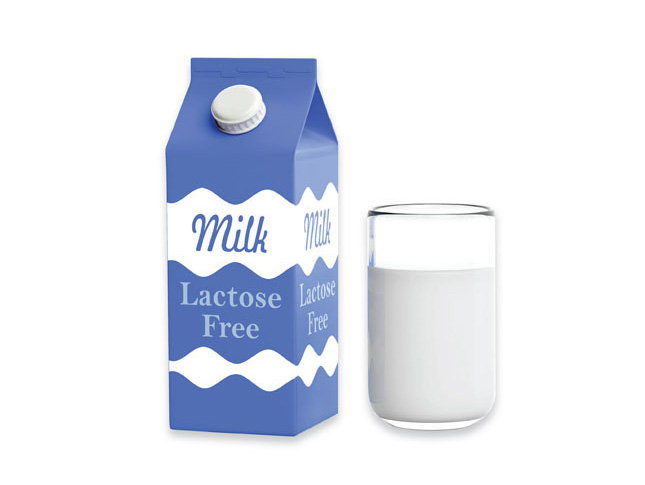
Yes, there are plenty of ways to enjoy dairy foods, even with lactose intolerance. Avoiding dairy can put people at an increased risk of missing out on important nutrients and developing health issues. Some simple strategies to help minimize the symptoms based on the level of intolerance include choosing lactose-free dairy foods; eating fermented dairy products like yogurt, kefir and hard cheeses; increasing intake of dairy products over time to build tolerance; and consuming lactose-containing dairy foods in small doses.
Lactose intolerance and cow’s milk allergy are two different conditions. Lactose intolerance symptoms are felt in the gastrointestinal tract and are related to the body’s inability to digest lactose, the primary carbohydrate found in milk. Cow’s milk allergy is an immune reaction to the proteins found in milk.
People who are lactose intolerant are often able to consume dairy products, including lactose-free milk, yogurt and some cheeses. People with a cow’s milk allergy cannot consume dairy products. Consulting a health professional for diagnosis is recommended, especially when diagnosing a milk protein allergy. With both conditions, management solutions should be tailored to the individual.
Milk is the recommended beverage for children. Fortified soy beverages are recommended when a child cannot consume cow’s milk due to an allergy or vegan diet. Other plant-based alternatives are not recommended as a suitable replacement for dairy milk due to their wide variability in nutrient content, limited evidence of bioavailability and impact on diet quality and health outcomes.
Fortified plant-based beverages do not provide a complete replacement for milk, and an overall diet adjustment may be needed to ensure adequate intake of key nutrients if plant-based beverages are substituted in the diet. Even if these alternatives can be reformulated to meet nutrient standards, there is no research to support them as a nutritionally equivalent substitute for dairy milk.
Lactose-free milk, as well as yogurt and cheese, offer a unique nutrient package that supports child growth and development while meeting diverse dietary needs like lactose intolerance.
Milk has been an important source of human nutrition for thousands of years. Many cultures include fermented dairy as part of their traditional and cultural foods. In American culture today, limited lactose digestion is variable among people of African American, Hispanic, Asian and Native American descent and is not always a reason to avoid dairy foods, as yogurt and cheese contain smaller amounts of lactose, plus lactose-free milk is available.
Alongside health and nutrition disparities, there is a gap in dairy consumption related to socioeconomic status, race and ethnicity, with one of the lowest consumptions among non-Hispanic Black Americans. Nutritious foods like milk, lactose-free milk, yogurt and cheese can be part of the solution to improving health equity and reducing risk of chronic diseases. Acknowledging diverse food preferences will support improved dietary patterns, as cheese and other nutrient-dense dairy foods can be incorporated into a wide variety of culturally relevant meals to improve diet quality and achieve nutrition security.

Nutrition security focuses not just on ensuring people have enough food to eat but also that everyone has access to food that is nutritious, safe and affordable, helping support optimal health and prevent diseases. Dairy foods are nutrient dense, affordable and highly palatable and contribute to dietary patterns that improve diet quality.
Milk is a required and vital part of child nutrition programs like school meal programs. Milk is nutrient dense, affordable, easy to consume and highly palatable, helping children meet their daily nutrient needs.
Child nutrition programs play an important role as a community solution for nutrition security, supporting children’s health and their ability to learn. Research suggests that eating nutrient-dense foods like fruits, vegetables and dairy foods that are made readily available in school meal programs are associated with improved health outcomes and academic achievement among children and adolescents.
Research shows that offering flavored milk in school increases overall milk consumption among children and adolescents, helping to meet intake recommendations. The California dairy community has been proactive in reformulating flavored milk in schools over the years to significantly reduce added sugars in children’s diets while still providing a nutrient-dense beverage that is enjoyable. Flavored milk offered in California schools has been reformulated to reduce added sugars to within 7 to 8 grams, as reported by California school milk processors. Overall, flavored milk contributes only 4% of total added sugars in children’s diets and provides 13 essential nutrients, including calcium, vitamin D and potassium—nutrients that are underconsumed by most school-age children.

Research suggests that when consumed as part of a healthy, balanced diet, dairy is linked to a decreased risk of overweight/obesity in childhood and adolescence. Furthermore, the current body of evidence suggests that among children, total milk consumption and higher-fat milk versus lower-fat milk consumption is associated with beneficial impacts on growth, size and body composition and lower risk of obesity. Newer research suggests that consuming whole milk is inversely associated with weight gain and prevalence of obesity in adults.
There is no scientific research demonstrating that drinking milk leads to increased mucus production in the airways or throat, or a worsening of cold or asthma symptoms. Many people confuse the temporary, slight thickening of saliva after drinking milk with mucus. This thickening, which may coat the throat and give the perception of more mucus, does not cause the body to produce more mucus. In fact, drinking milk may speed up the recovery process, as drinking fluids is important when cold symptoms are present.
There is no scientific evidence that drinking milk causes early puberty. Early-onset puberty is likely influenced by many factors, including weight and genetics.
Multiple factors contribute to the development and severity of acne, including genetic, hormonal, inflammatory and environmental influences. Though there is evidence that diet plays a role in acne and its treatment, the American Academy of Dermatology Association found insufficient evidence to recommend a low-dairy diet to treat acne. Treatment requires an individualized approach.
Constipation can be common among young children and is often caused by low fiber and low fluid intake as well as potential behavioral components. Dairy foods, innately, do not cause constipation when consumed as age-appropriate servings in a healthy, balanced diet. Many children are not meeting recommendations for fiber (from fruits, vegetables, beans/legumes and whole grains), water and physical activity. Focusing on these lifestyle factors can reduce the risk of constipation. If lifestyle modifications do not work, individuals should consult with a health care provider.
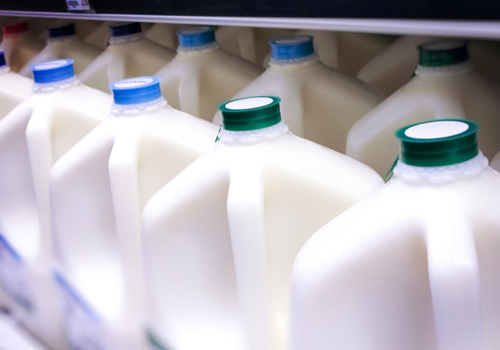
Pasteurization heats milk to a specific temperature to kill microorganisms. There are several types of pasteurization, with the most common being low-temperature longer-time (LTLT) and high-temperature short-time (HTST). Pasteurization effectively eliminates 100% of disease-causing bacteria, yeasts and molds, making milk safe for consumption. In addition to improving the safety of milk, pasteurization helps to maintain the quality of milk products by destroying spoilage microorganisms and enzymes, resulting in improved quality and longer shelf life.
Pasteurization ensures the safety of milk by destroying harmful pathogens. In the process, it also kills 95% to 99% of non-pathogenic bacteria. Fermented dairy products such as yogurt and kefir have beneficial microbes added during the fermentation process. Pasteurization also has an impact on nutrient values, reducing vitamins B12 and E, increasing vitamin A, and having no significant impact on vitamin B6. Vitamin D is added during processing, making pasteurized milk even more nutritious. Pasteurized milk is a nutrient-dense product with demonstrated benefits on human health.
Current heat treatment processes help preserve the nutritional value and quality of milk. Emerging non-thermal processing technologies are being explored with potential to better preserve the bioactive components in milk. More research is needed, however, to fully understand the connection between various processing methods, their impact on the dairy food matrix and ultimately health outcomes.
Raw, unpasteurized milk can carry dangerously high levels of bacteria such as Salmonella, E. coli, Campylobacter and Listeria. If consumed, these bacteria can cause serious illness and even death. While most healthy people will recover from sickness caused by such bacteria, vulnerable groups, including infants, children, older adults and immune-compromised individuals, may develop a chronic, severe or even life-threatening illness. None of the health benefits attributed to raw milk have been substantiated by scientific research.
No. Many hormones are proteins, so when they’re eaten as a part of foods, their biological activity is deactivated in the intestinal tract of the body. Therefore, naturally occurring hormones in milk are not a health concern. No hormones are added to milk.
Bovine somatotropin (bST) is a naturally occurring protein hormone present in cows that helps to regulate normal growth and development. Although bST is found at a very low concentration in cow’s milk, this hormone is only active in cows and is not recognized by the human body.
No. The dairy industry must follow strict laws, which regulate the use of antibiotics in dairy cows. When antibiotics are used to treat or prevent illness, the cows receiving the treatment are typically kept separate from the other cows, and their milk is not included in the general supply.
Every tank load of milk is tested multiple times to make sure it is free from any traces of the most commonly used antibiotics. In the rare case where trace amounts of these antibiotics are found to be present, the entire tanker of milk is destroyed. Due to these strict standards, milk sold in the grocery store is safe and free of antibiotics.
Organic labeling is not a measure of the quality or safety of a product. As with all organic foods, the farming practices make milk organic, not the final product. Both organic and conventional dairy farmers are committed to producing high-quality milk and maintaining proper animal care and environmental practices on their farms. In terms of nutritional quality, both organic and conventional milk contain the same essential nutrients—calcium, vitamin D, potassium and more—that make dairy foods an important part of healthy eating patterns.



We summarize key research and share our insights on milk and dairy topics.


