Consistent and equitable access to healthy, safe, culturally relevant and affordable foods is essential to optimal health and well-being.1 Dairy foods are an important part of the solution to improve nutrition security, providing children, families and communities with nutritious foods to thrive.
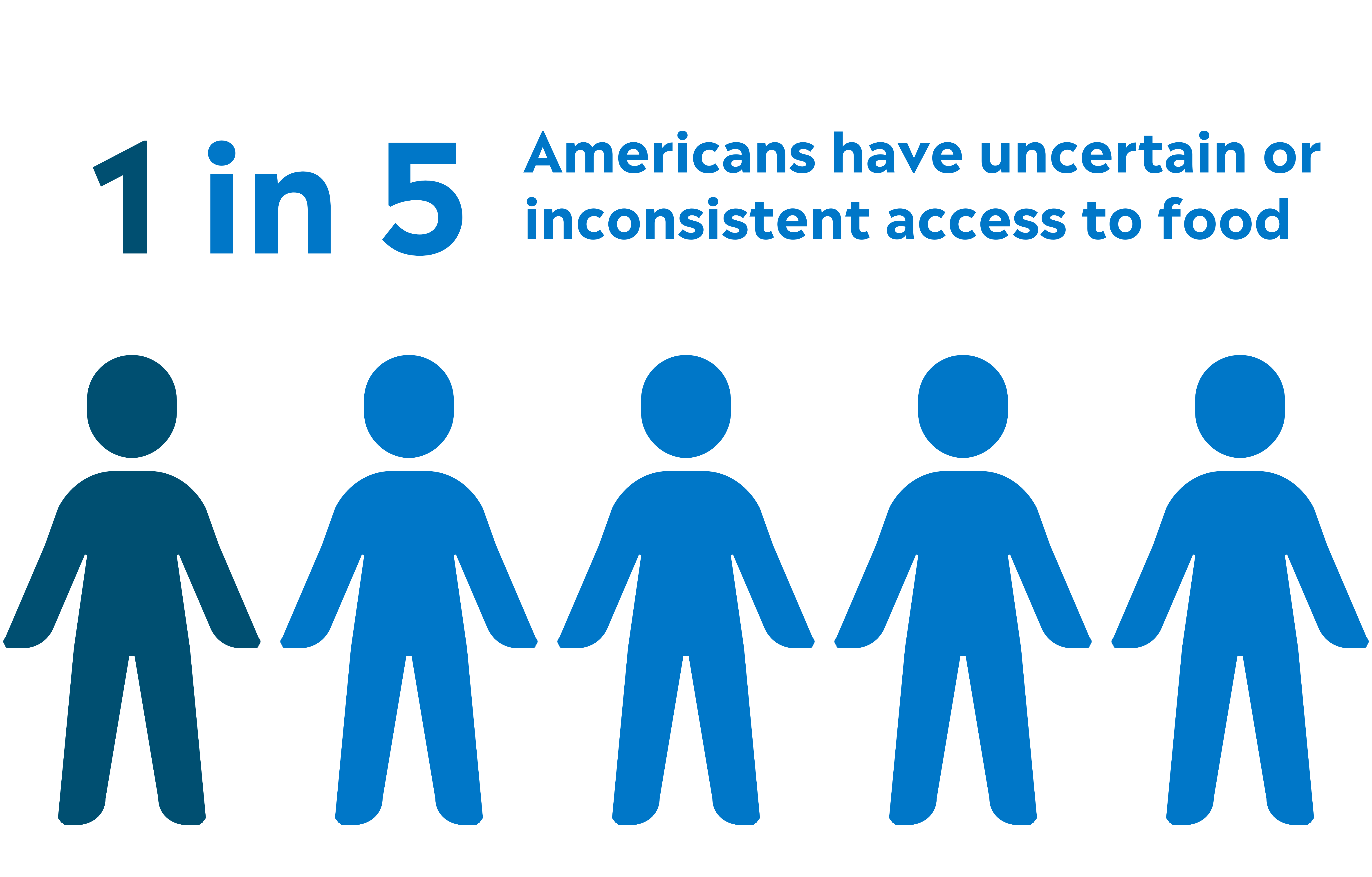

One in 5 Californians have uncertain or inconsistent access to food.2 Nutrition security has been associated with positive physical, cognitive and emotional health outcomes, including3,4:
Those most affected by nutrition insecurity include people living in poor and marginalized communities, people with increased nutrient requirements, and those who have less control over their dietary choices. These groups include young and school-age children, pregnant and lactating women, women of reproductive age, older adults, Black and Latino communities and persons with disabilities.4 Dairy’s nutritional contribution to dietary patterns is critical for key life stages, improving nutrition security and supporting optimal health. Providing culturally relevant dairy options and pairings is also critical to improve nutrition security.
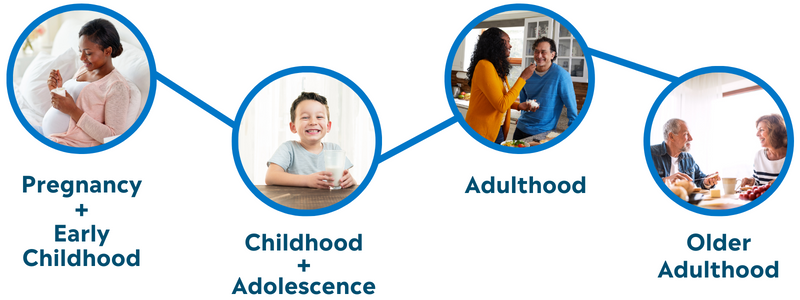
 Access to nutritious and familiar foods like dairy will go a long way in improving the health of people and communities.

 Federal
nutrition assistance programs are a vital source of nutrition security for children and families. Programs such as the National School Lunch and Breakfast programs; the Special Supplemental Nutrition Program for Women, Infants, and Children (WIC);
and the Supplemental Nutrition Assistance Program help provide nutritious foods combined with nutrition education to directly support the health of those relying on them. Milk and dairy foods are an important component of federal nutrition programs,
providing key nutrients that contribute to nutrition security.
Federal
nutrition assistance programs are a vital source of nutrition security for children and families. Programs such as the National School Lunch and Breakfast programs; the Special Supplemental Nutrition Program for Women, Infants, and Children (WIC);
and the Supplemental Nutrition Assistance Program help provide nutritious foods combined with nutrition education to directly support the health of those relying on them. Milk and dairy foods are an important component of federal nutrition programs,
providing key nutrients that contribute to nutrition security.
 Children
who participate in school meal programs have significantly higher diet quality scores than nonparticipants, and eating school meals is linked to better nutrition, academic achievement and health outcomes.5
Children
who participate in school meal programs have significantly higher diet quality scores than nonparticipants, and eating school meals is linked to better nutrition, academic achievement and health outcomes.5
References
1. Committee on World Food Security. CFS Voluntary Guidelines on Food Systems and Nutrition. Food and Agriculture Organization of the United Nations. 2021. Accessed August 11, 2023. https://www.fao.org/fileadmin/templates/cfs/Docs2021/Documents/CFS_VGs_Food_Systems_and_Nutrition_Strategy_EN.pdf
2. Shanzenbach D, Tomeh N. IPR Rapid Research Report. Northwestern Institute for Policy Research. July 14, 2020. Accessed November 30, 2023. https://www.ipr.northwestern.edu/documents/reports/ipr-rapid-research-reports-app-visualizes-food-insecurity-14-july-2020.pdf
3. Food Research & Action Center. Hunger and health: The impact of poverty, food insecurity, and poor nutrition on health and well-being. December 2017. Accessed November 30, 2023. https://frac.org/wp-content/uploads/hunger-health-impact-poverty-food-insecurity-health-well-being.pdf
4. Morales ME, Berkowitz SA. The Relationship between Food Insecurity, Dietary Patterns, and Obesity. Curr Nutr Rep. 2016;5(1):54-60. doi:10.1007/s13668-016-0153-y
5. Gearan EC, Monzella K, Jennings L, Fox MK. Differences in diet quality between school lunch participants and nonparticipants in the United States by income and race. Nutrients. 2020;12(12):3891. DOI:10.3390/nu12123891
6. Cohen JFW, Hecht AA, McLoughlin GM, Turner L, Schwartz MB. Universal school meals and associations with student participation, attendance, academic performance, diet quality, food security, and body mass index: a systematic review. Nutrients. 2021;13(3):911. DOI:10.3390/nu13030911
7. WIC: building a healthy foundation. US Department of Agriculture, Food and Nutrition Service. Updated February 16, 2023. Accessed November 30, 2023. https://www.fns.usda.gov/wic/building-healthy-foundation
Collaborative Strategies to Improve Nutrition Security and Education: Lessons Learned During a Pandemic.