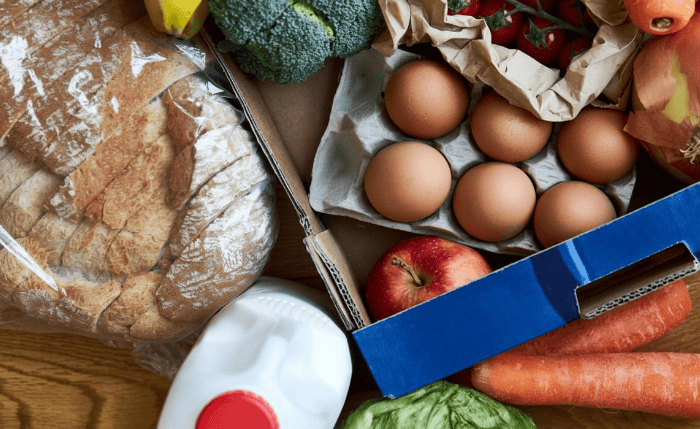
In January 2026, U.S. Department of Health and Human Services and U.S. Department of Agriculture jointly released the 2025-2030 Dietary Guidelines for Americans along with a new website. These guidelines serve as the foundation for federal food, nutrition and health policies and inform state and local public health initiatives. The new guidelines emphasize an “eat real food” message, encouraging dietary patterns built around protein, dairy, vegetables, fruits, healthy fats and whole grains, alongside a reduction in highly processed foods.
Here are key takeaways from the guidelines for dairy foods. Click on a topic below to jump ahead:
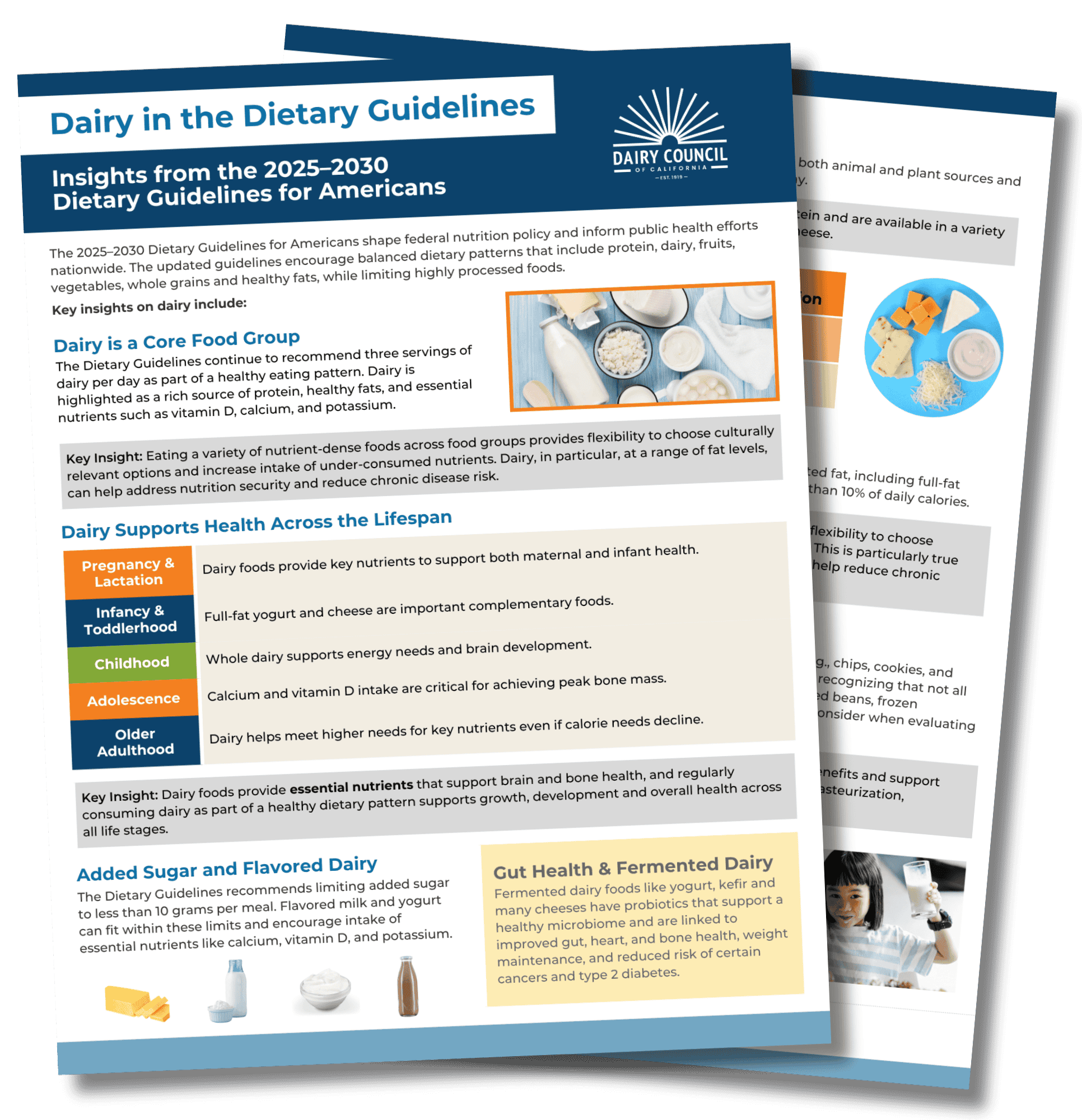

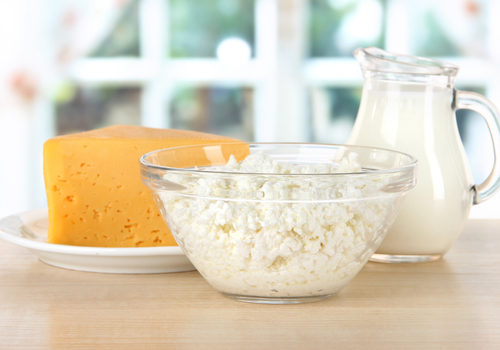 The Dietary Guidelines include Dairy foods as a core food group and recommend
three servings per day as part of a healthy eating pattern. Dairy is recognized as an excellent source of protein, healthy fats, vitamins and minerals.
The Dietary Guidelines include Dairy foods as a core food group and recommend
three servings per day as part of a healthy eating pattern. Dairy is recognized as an excellent source of protein, healthy fats, vitamins and minerals.
Science in Focus
Milk and dairy foods provide high-quality protein and other essential nutrients, including under consumed nutrients—calcium, vitamin D and potassium.1
Dairy foods have a natural structure known as the dairy matrix, which is the combination of nutrients, bioactive compounds, and physical structure in foods like milk, yogurt and cheese. The dairy matrix helps explain how nutrients like calcium, protein, fat, vitamins and even beneficial bacteria work together to deliver health benefits.2
 Key Takeaway
Consuming the recommended amount of dairy each day supports overall health and can help close nutrient gaps, especially for calcium, vitamin D and potassium, nutrients that are under-consumed by many people.
Gut Health and Fermented Dairy
Fermented dairy foods like yogurt, kefir and many cheeses contain probiotics, live microorganisms that promote a healthy microbiome.3,4 Eating fermented dairy foods is linked to improved gastrointestinal health, cardiovascular health, bone health and weight maintenance, as well as reduced risk of breast cancer, colorectal cancer and type 2 diabetes.5
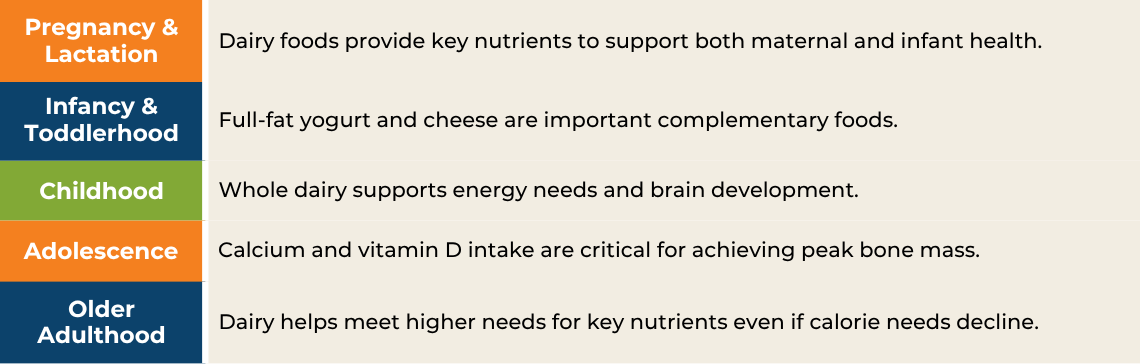
The Dietary Guidelines highlight the value of dairy across the lifespan, from pregnancy through older adulthood:
Science in Focus
Eating dairy foods during pregnancy is linked with higher intake of calcium, vitamin D, potassium, vitamin B12, choline and iodine, key nutrients that support a baby’s growth and development.6 Iodine needs increase during pregnancy and dairy is one of the largest food group contributors of iodine in the diet.7 Additionally, the nutrients in dairy foods help ensure children and adolescents achieve peak bone mass and prevent dental cavities.8,9
Bone health is a priority during adolescence and into early adulthood when peak bone mass is achieved, as well as during periods of rapid bone remodeling for women as they age.10 People have unique nutritional needs as they age and dairy foods can help meet these needs and reduce the risk of overweight and obesity, hypertension and type 2 diabetes.11,12
Eating dairy foods help older adults maintain strong bones, muscle strength and mental sharpness. Many dairy foods like milk, yogurt and soft cheese are nutrient-dense and easy to eat, which can be important for older adults with complex oral health needs.
Key Takeaway
Dairy foods have essential nutrients that support brain and bone growth, development and maintenance, and daily intake of these foods as part of an overall healthy pattern contributes to health at all life stages.
The Dietary Guidelines elevate the importance of high-quality protein from both animal and plant sources and increase the recommended daily intake to 150%–200% of the previous recommendation.
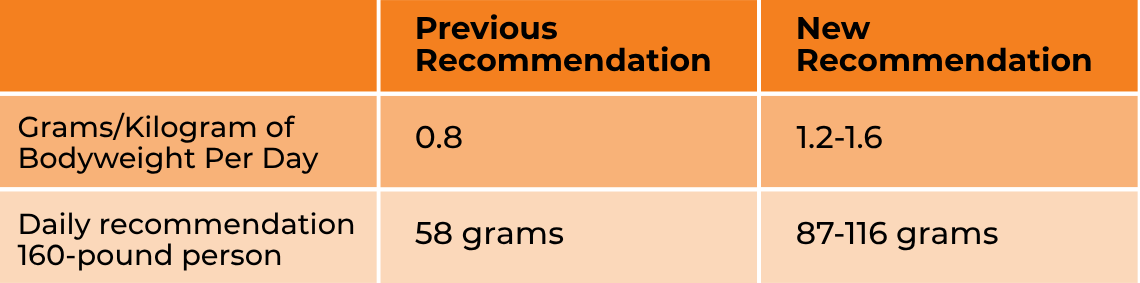
Science in Focus
Consumer interest in protein is high, motivated by goals related to healthy aging, muscle and bone health, and wellbeing.13 Whole dairy foods like milk, cheese and yogurt provide the protein and micronutrients needed to maintain muscle and bone health.14
Dairy proteins rank among the highest in terms of protein quality and digestibility because they contain all nine essential amino acids in a bioavailable form, making them a great source for growing and repairing muscle tissues.15 Beyond high-quality protein, dairy foods offer 12 essential nutrients, including potassium and vitamin B12, within a unique structure that provides functional health benefits beyond individual nutrients.16
Key Takeaway
Dairy foods are naturally an excellent source of high-quality protein and are available in a variety of ways that are accessible and easy to prepare.
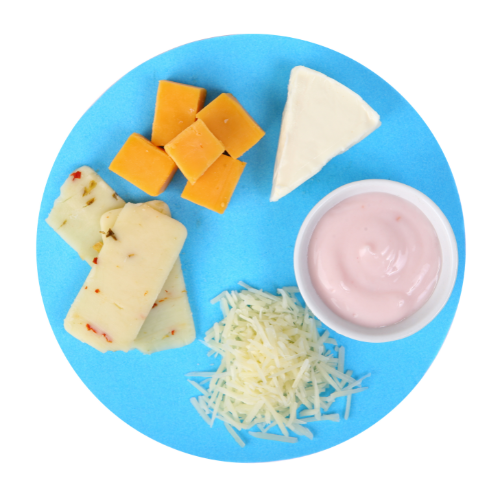 The Dietary Guidelines reflect a broader whole-food philosophy, encouraging Americans to
choose whole-food sources of saturated fat, including whole-fat dairy, while keeping intake within established limits of no more than 10% of daily calories, with a focus on limiting processed food sources.
The Dietary Guidelines reflect a broader whole-food philosophy, encouraging Americans to
choose whole-food sources of saturated fat, including whole-fat dairy, while keeping intake within established limits of no more than 10% of daily calories, with a focus on limiting processed food sources.
Science in Focus
The benefits of full-fat dairy are based on the dairy matrix, which is the combination of nutrients, bioactive compounds and physical structure in foods like milk, yogurt and cheese. Together, these elements can affect digestion, absorption and physiological functions that are important for health.16 It may help explain the link between eating dairy foods at a variety of fat levels, and neutral to beneficial health outcomes like reduced risk of cardiovascular disease and type 2 diabetes.17,18
Cardiovascular disease disproportionately impacts Black Americans , making access to health-promoting foods more critical. Regardless of fat level, milk, yogurt and cheese have shown positive effects on cardiovascular health across the lifespan, helping close nutrient gaps and reduce health disparities.19
Key Takeaway
Eating a variety of nutrient-dense foods in and across food groups gives people flexibility to choose culturally relevant and appealing foods to increase consumption of already under-consumed food groups. This is particularly true of the Dairy food group; dairy foods at a variety of fat levels can be part of the solution to challenges like food and nutrition security and reducing the risk of chronic diseases.
The Dietary Guidelines encourage limiting the amount of added sugar in the diet, recommending no more than 10 grams of added sugar for each meal. The guidelines do not recommend any added sugar for children under age 10.
Science in Focus
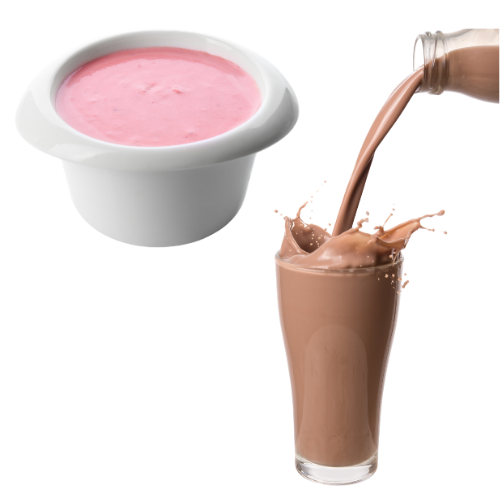 Flavored milk and yogurt may still fit within recommendations
and are good or excellent sources of the same essential nutrients that are in unflavored dairy. When consumed as part of a healthy diet, milk and yogurt with smaller amounts of added sugar (i.e. 10 g or less) can help increase intake of calcium, vitamin
D and potassium.
Flavored milk and yogurt may still fit within recommendations
and are good or excellent sources of the same essential nutrients that are in unflavored dairy. When consumed as part of a healthy diet, milk and yogurt with smaller amounts of added sugar (i.e. 10 g or less) can help increase intake of calcium, vitamin
D and potassium.
Offering flavored milk at school increases overall milk consumption and helps children meet daily intake.20 In one study, student who chose flavored milk consumed an extra daily serving of dairy and had higher intakes of calcium, potassium, magnesium, phosphorus and vitamins A, D, B12 and B2.21 Children who drank flavored milk also consumed fewer soft drinks and fruit juice and had higher intake of protein, calcium and essential amino acids than non-milk drinkers.22
In California, flavored milk in schools has been reformulated to contain just 7–8 grams of added sugar per serving while remaining a nutrient-dense, appealing option. Flavored milk contributes only 4% of total added sugars in children’s diets but provides 13 essential nutrients, including calcium, vitamin D and potassium, which are under-consumed by most school-age children.23
Key Takeaway
Flavored milk and yogurt, as part of an overall healthy eating pattern, are an effective way to encourage intake of under-consumed nutrients like calcium, vitamin D and potassium. Offering flavored milk alongside other dairy foods supports nutrition security by providing accessible, affordable and nutrient-rich choices that children enjoy.
Added Sugars and Fermented Dairy
Fermented dairy foods like yogurt and kefir have functional benefits from their unique food matrix containing probiotics and other bioactive components despite the presence of added sugars and fats. The FDA approved a qualified health claim for the relationship between eating 2 cups (3 servings) per week of all types of yogurts and reduced risk of type 2 diabetes independent of sugar or fat content highlights.24
The Dietary Guidelines recommended people limit intake of highly processed foods, defined as “prepared, ready-to-eat, or other foods that are salty or sweet, such as chips, cookies, and candy that have added sugars and sodium.” The guidelines acknowledged the lack of a universally accepted definition for “ultra-processed foods” and limitations of the NOVA classification system and note that the FDA is still working on a consensus definition for “ultra-processed foods.”
 Science in Focus
Ultra-processed foods are increasingly at the center of the conversation around food and nutrition, despite the lack of a universally recognized definition of the term. While research links highly processed foods with low nutritional value to poor health outcomes, not all processing is negative. Nutrient-dense processed foods, like whole-grain cereals, canned beans, frozen vegetables and yogurt, have nutritional value and provide beneficial health impacts.
Processing can improve safety, preserve or enhance nutrients, and make healthy options more affordable, benefits worth considering when discussing different types of processing. In the case of dairy foods, pasteurization ensures milk safety and quality, and fermentation used for cheeses, yogurt and kefir adds beneficial bacteria that supports gut health, strengthens the microbiome and provides functional benefits beyond basic nutrition.
Processing also allows companies to improve nutritional profiles by reducing sodium, added sugars and saturated fats while fortifying beneficial nutrients. These innovations are often overlooked in the ultra-processed food classification that focuses on the extent of processing rather than nutrient density.
Key Takeaway
Not all processed foods are created equal; some undergo steps that add benefits and support health. Processing is one of several factors to consider when evaluating food quality, along with nutrient density, access and affordability. Milk and dairy foods can undergo a range of processing techniques, including pasteurization, fermentation and fortification, that lead to many safe and nutritious products.
 The Dietary Guidelines are the foundation of federal nutrition assistance programs such as
the National School Lunch Program, the School Breakfast Program, the Child and Adult Care Food Program, the Supplemental Nutrition Assistance Program and the Special Supplemental Nutrition Program for Women, Infants, and Children. These programs provide
people with nutrient-dense foods like milk and dairy foods, whole grains, fruits and vegetables. Dairy foods are an accessible and widely available source of key nutrients, with affordable, convenient and culturally relevant options to meet the needs
of all people.
The Dietary Guidelines are the foundation of federal nutrition assistance programs such as
the National School Lunch Program, the School Breakfast Program, the Child and Adult Care Food Program, the Supplemental Nutrition Assistance Program and the Special Supplemental Nutrition Program for Women, Infants, and Children. These programs provide
people with nutrient-dense foods like milk and dairy foods, whole grains, fruits and vegetables. Dairy foods are an accessible and widely available source of key nutrients, with affordable, convenient and culturally relevant options to meet the needs
of all people.
While the Dietary Guidelines outline nutrient requirements for individuals, there are numerous ways foods from different food groups can be combined to meet individual needs. Eating patterns should be tailored to individual taste preferences, budget, culture and regional availability.
Lactose Intolerance
Lactose intolerance can look different for everyone, and it isn’t always a reason to avoid dairy entirely. Many dairy options can meet a variety of nutrient needs, tastes and cultural food traditions. Lactose-free milk, yogurt and many cheeses make dairy enjoyable and accessible for most people.25
Alongside health and nutrition disparities, there is a gap in dairy consumption related to socioeconomic status, race and ethnicity, with one of the lowest consumptions among non-Hispanic Black Americans. Nutritious foods like milk, lactose-free milk, yogurt and cheese can be part of the solution to improving health equity and reducing risk of chronic diseases. Acknowledging diverse food preferences will support improved dietary patterns, as cheese and other nutrient-dense dairy foods can be incorporated into a wide variety of culturally relevant meals to improve diet quality and achieve nutrition security.
References:
1. Weaver CM. Dairy matrix: is the whole greater than the sum of the parts? Nutr Rev. 2021;79(suppl 2):4-15. doi:10.1093/nutrit/nuab081
2. Comerford KB, Unger AL, Cifelli CJ, et al. Decrypting the messages in the matrix: the proceedings of a symposium on dairy food matrix science and public health opportunities. Crit Rev Food Sci. 2025;65(30):7105-7118. doi:10.1080/10408398.2025.2460606
3. Leeuwendaal NK, Stanton C, O’Toole PW, Beresford TP. Fermented foods, health and the gut microbiome. Nutrients. 2022;14(7):1527. doi:10.3390/nu14071527
4. Ulven SM, Holven KB, Gil A, Rangel-Huerta OD. Milk and dairy product consumption and inflammatory biomarkers: an updated systematic review of randomized clinical trials. Adv Nutr. 2019;10(suppl 2):S239-S250. doi:10.1093/advances/nmy072
5. Savaiano DA, Hutkins RW. Yogurt, cultured fermented milk, and health: a systematic review. Nutr Rev. 2021;79(5):599-614. doi:10.1093/nutrit/nuaa013
6. Higgins KA, Bi X, Davis BJK, Barraj LM, Scrafford CG, Murphy MM. Adequacy of total usual micronutrient intakes among pregnant women in the United States by level of dairy consumption, NHANES 2003–2016. Nutr Health. 2022;28(4):621-631. doi: 10.1177/02601060211072325
7. Lee KW, Shin D, Cho MS, Song WO. Food group intakes as determinants of iodine status among US adult population. Nutrients. 2016;8(6):325. doi:10.3390/nu8060325
8. Heaney RP. Dairy and bone health. J Am Coll Nutr. 2009;28(suppl 1):82S-90S. doi:10.1080/07315724.2009.10719808
9. Li A, Ma Y, Cui N, et al. Research progress of milk and dairy products to prevent caries. J Funct Foods. 2023;110:105837. doi:10.1016/j.jff.2023.105837
10. Stokes G, Herath M, Samad N, Trinh A, Milat F. ‘Bone health—across a woman’s lifespan.’ Clin Endocrinol (Oxf). 2025;102(4):389-402. doi:10.1111/cen.15203
11. Grootswagers P, de Groot LCPGM. Nutritional concerns later in life. Proc Nutr Soc. 2021;80(3):339-343. doi:10.1017/S0029665121001932
12. Feng Y, Zhao Y, Liu J, et al. Consumption of dairy products and the risk of overweight or obesity, hypertension, and type 2 diabetes mellitus: a dose-response meta-analysis and systematic review of cohort studies. Adv Nutr. 2022;13(6):2165-2179. doi: 10.1093/advances/nmac096
13. International Food Information Council. Americans’ Perceptions of Protein. IFIC website. Published July 2025. Accessed March 4, 2026. https://ific.org/wp-content/uploads/2025/07/IFIC-Spotlight-Survey-Protein-Perceptions.pdf
14. US Department of Food and Agriculture. FoodData Central Food Details. USDA Agricultural Research Service website. Published December 16, 2019. Accessed March 4, 2026. https://fdc.nal.usda.gov/fdc-app.html#/food-details/746782/nutrients
15. Singh-Povel CM, Gool MP van, Rojas APG, et al. Nutritional content, protein quantity, protein quality and carbon footprint of plant-based drinks and semi-skimmed milk in the Netherlands and Europe. Public Health Nutr. 2022;25(5):1416-1426. doi: 10.1017/S1368980022000453
16. Mulet-Cabero AI, Torres-Gonzalez M, Geurts J, et al. The dairy matrix: its importance, definition, and current application in the context of nutrition and health. Nutrients. 2024;16(17):2908. doi:10.3390/nu16172908
17. Thorning TK, Bertram HC, Bonjour J, et al. Whole dairy matrix or single nutrients in assessment of health effects: current evidence and knowledge gaps. Am J Clin Nutr. 2017;105(5):1033-1045. doi:10.3945/ajcn.116.151548
18. Dehghan M, Mente A, Rangarajan S, et al. Association of dairy intake with cardiovascular disease and mortality in 21 countries from five continents (PURE): a prospective cohort study. Lancet. 2018;392(10161):2288-2297. doi:10.1016/S0140-6736(18)31812-9
19. Dror DK, Allen LH. Dairy product intake in children and adolescents in developed countries: trends, nutritional contribution, and a review of association with health outcomes. Nutr Rev. 2014;72(2):68-81. doi:10.1111/nure.12078
20. Patel AI, Dibay Moghadam S, Freedman M, Hazari A, Fang M, Allen IE. The association of flavored milk consumption with milk and energy intake, and obesity: a systematic review. Preventive Medicine. 2018;111:151-162. doi:10.1016/j.ypmed.2018.02.031
21. Nicklas TA, Saab R, Fulgoni III VL. Is flavored milk really a bad beverage choice? The nutritional benefits of flavored milk outweigh the added sugars content. ACTA Scientific Nutritional Health. 2022;6(1):114-132. https://actascientific.com/ASNH/ASNH-06-0985.php
22. Sipple LR, Barbano DM, Drake M. Invited review: maintaining and growing fluid milk consumption by children in school lunch programs in the United States. J Dairy Sci. 2020;103(9):P7639-7654. doi:10.3168/jds.2020-18216
23. Cifelli CJ, Houchins JA, Demmer E, Fulgoni III V. The relationship between flavored milk consumption, diet quality, body weight, and BMI z-score among children and adolescents of different ethnicities. FASEB J. 2016;30(S1):1154.12. doi: 10.1096/fasebj.30.1_supplement.1154.12
24. US Food and Drug Administration. FDA announces qualified health claim for yogurt and reduced risk of type 2 diabetes. FDA website. Published March 1, 2024. Accessed January 17, 2026. https://www.fda.gov/food/hfp-constituent-updates/fda-announces-qualified-health-claim-yogurt-and-reduced-risk-type-2-diabetes
25. Lott M, Callahan E, Welker Duffy E, Story M, Daniels S. Consensus statement. Healthy beverage consumption in early childhood: recommendations from key national health and nutrition organizations. Healthy Eating Research website. Published September 2019. Accessed January 7, 2026. https://healthyeatingresearch.org/research/consensus-statement-healthy-beverage-consumption-in-early-childhood-recommendations-from-key-national-health-and-nutrition-organizations

Nourish the body, stay active and support lifelong health.
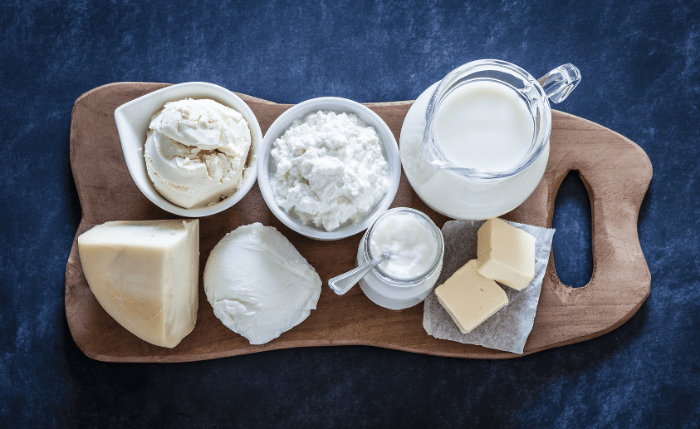
Dairy foods benefit health beyond the energy and nutrients they provide.