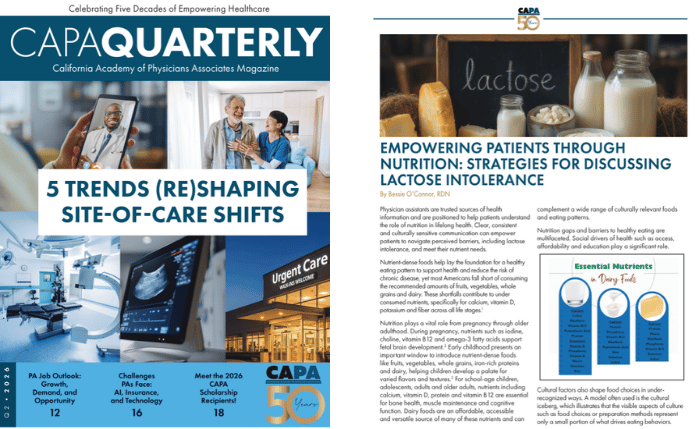
Originally published in the California Academy of Physicians Associates (CAPA) Quarterly Spring 2026 Magazine
Empowering Patients Through Nutrition: Strategies for Discussing Lactose Intolerance
By Bessie O’Connor, RDN
Physician assistants are trusted sources of health information and are positioned to help patients understand the role of nutrition in lifelong health. Clear, consistent and culturally sensitive communication can empower patients to navigate perceived barriers, including lactose intolerance, and meet their nutrient needs.
 Nutrient-dense foods help lay the foundation for a healthy eating
pattern to support health and reduce the risk of chronic disease, yet most Americans fall short of consuming the recommended amounts of fruits, vegetables, whole grains and dairy. These shortfalls contribute to under consumed nutrients, specifically
for calcium, vitamin D, potassium and fiber across all life stages.1
Nutrient-dense foods help lay the foundation for a healthy eating
pattern to support health and reduce the risk of chronic disease, yet most Americans fall short of consuming the recommended amounts of fruits, vegetables, whole grains and dairy. These shortfalls contribute to under consumed nutrients, specifically
for calcium, vitamin D, potassium and fiber across all life stages.1
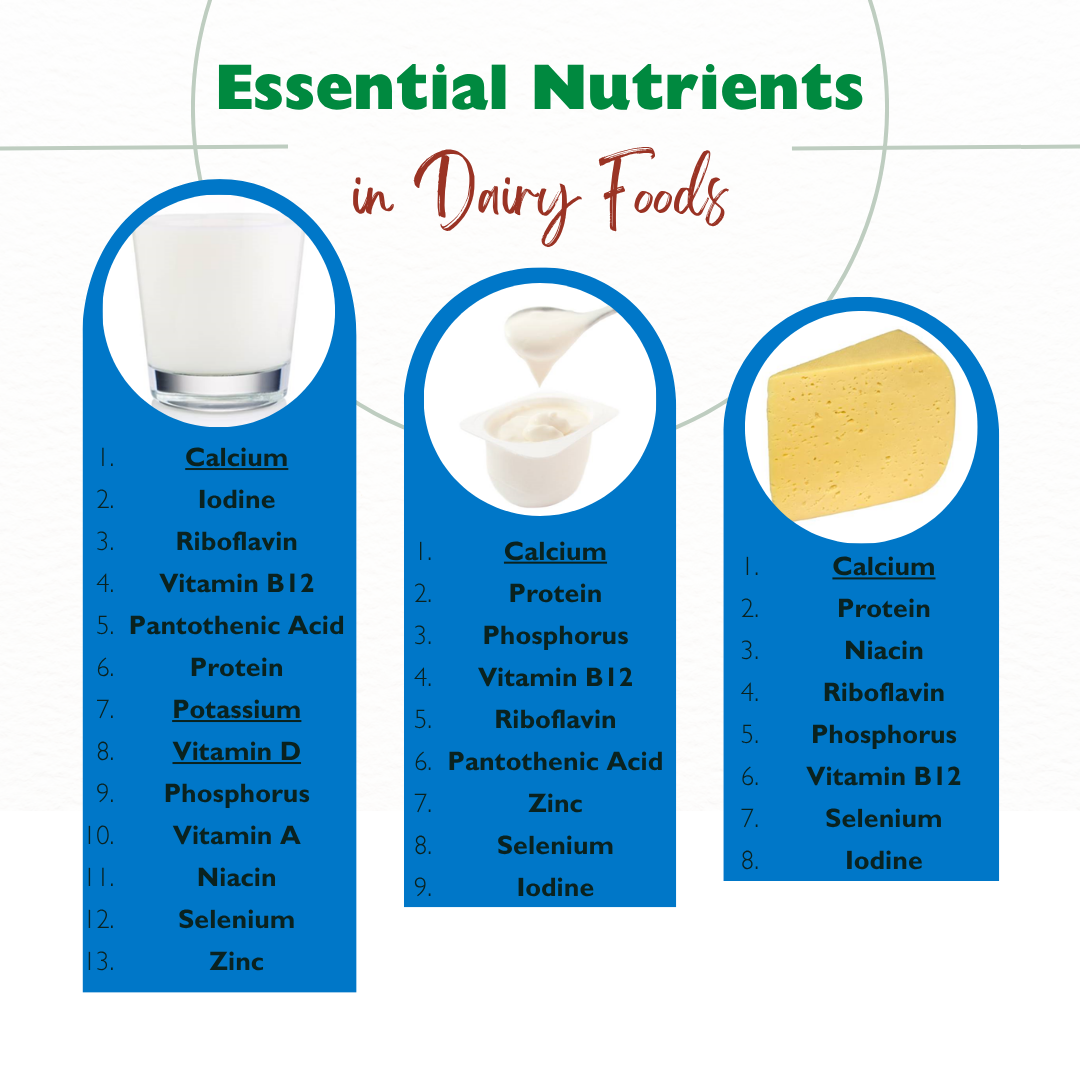
Nutrition plays a vital role from pregnancy through older adulthood. During pregnancy, nutrients such as iodine, choline, vitamin B12 and omega-3 fatty acids support fetal brain development.2 Early childhood presents an important window to introduce nutrient-dense foods like fruits, vegetables, whole grains, iron-rich proteins and dairy, helping children develop a palate for varied flavors and textures.3 For school-age children, adolescents, adults and older adults, nutrients including calcium, vitamin D, protein and vitamin B12 are essential for bone health, muscle maintenance and cognitive function. Dairy foods are an affordable, accessible and versatile source of many of these nutrients and can complement a wide range of culturally relevant foods and eating patterns.
 Nutrition gaps and barriers to healthy eating are multifaceted. Social drivers of health such as access, affordability and education play a significant role.
Cultural factors also shape food choices in under-recognized ways. A model often used is the cultural iceberg, which illustrates that the visible aspects of culture such as food choices or preparation methods represent only a small portion of what
drives eating behaviors. Beneath the surface lie beliefs, family traditions, religious practices, childhood food memories and economic realities that influence how and why people eat the way they do.
Nutrition gaps and barriers to healthy eating are multifaceted. Social drivers of health such as access, affordability and education play a significant role.
Cultural factors also shape food choices in under-recognized ways. A model often used is the cultural iceberg, which illustrates that the visible aspects of culture such as food choices or preparation methods represent only a small portion of what
drives eating behaviors. Beneath the surface lie beliefs, family traditions, religious practices, childhood food memories and economic realities that influence how and why people eat the way they do.
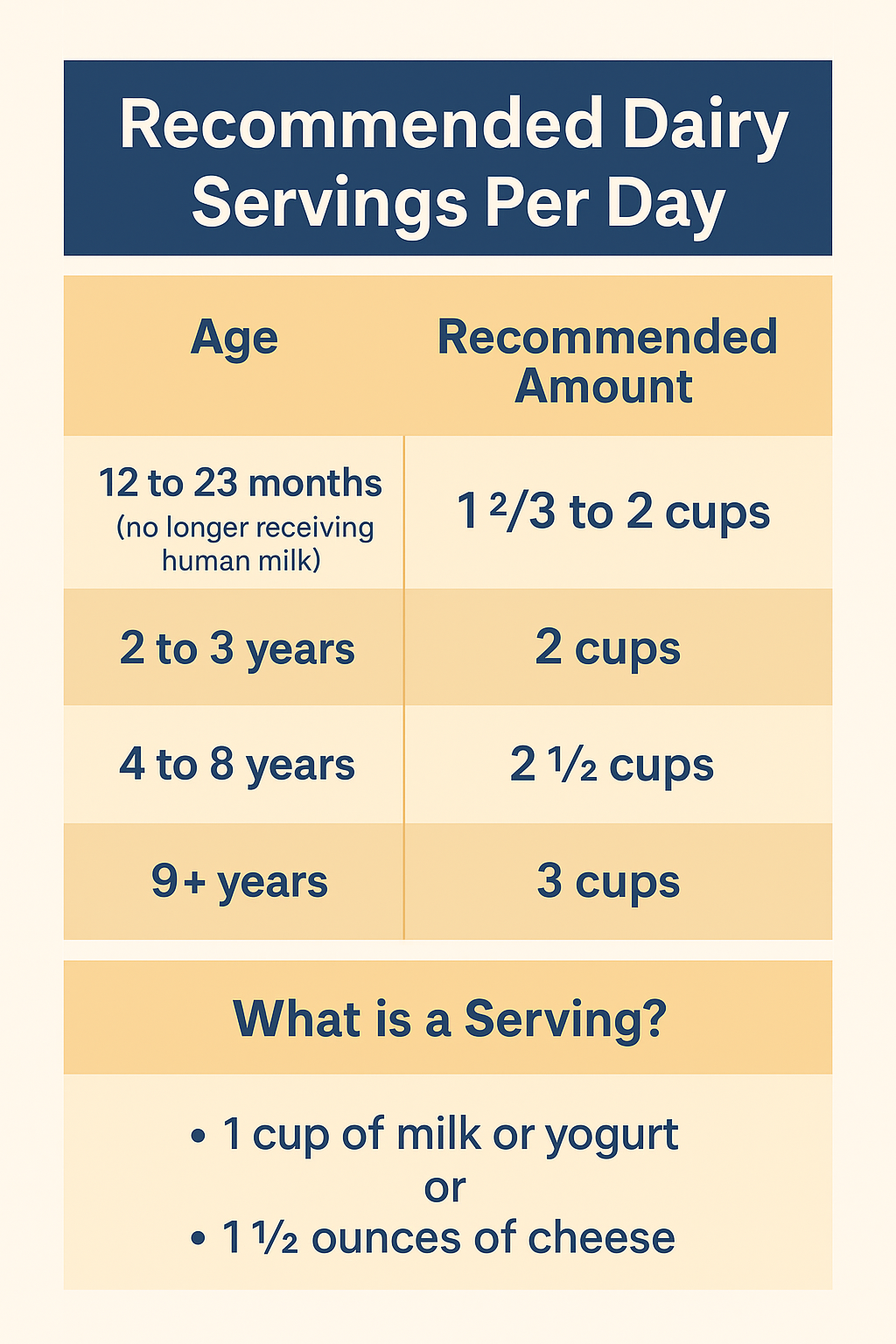
Misconceptions about lactose intolerance could be a perceived barrier to reaching the recommended two to three servings of dairy each day. By recognizing the diversity of dairy options, including fermented dairy foods like yogurt, kefir, paneer, queso fresco and low-lactose or lactose-free choices, health professionals can offer practical solutions that honor patient preferences and traditions. These strategies make it easier for individuals with lactose intolerance to include dairy foods in their diet, close nutrient gaps and reduce nutrition-related health disparities.
Gut Microbiome + Lactose Intolerance Adding small amounts of dairy to eating patterns over time can support the development of gut bacteria such as Bifidobacterium that can help break down lactose and prevent symptoms of lactose intolerance.5 |
Practical Tips for Talking About Lactose Intolerance With Patients
Access an educational handout with tips to include dairy for patients with lactose intolerance.
References
1. Average Intakes and HEI-2015 Scores: Analysis of What We Eat in America, NHANES
2015-2016, day 1 dietary intake data, weighted. Recommended Intake Ranges: Healthy U.S.-Style Dietary Patterns.
2. Schwarzenberg SJ, Georgieff MK, Committee on Nutrition. Advocacy for improving nutrition in the first 1000 days
to support childhood development and adult health. Pediatrics. 2018;141(2):e20173716. doi:10.1542/peds.2017-3716
3. Di Prete A, Galloway AT, Farrow C, Bellagamba F, Addessi E. A systematic review of the relation between complementary
feeding and children’s development. Curr Nutr Rep. 2025;14(1):104. doi:10.1007/s13668-025-00692-7
4. U.S. Department of Agriculture; U.S. Department of Health and Human Services. Dietary Guidelines for Americans, 2020–2025.
9th ed. Washington, DC: US Government Publishing Office; 2020. Available at: DietaryGuidelines.gov. Accessed December 11, 2025.
5. Duijghuijsen LJ, Looijesteijn E, van den Belt M, et al. Changes in gut microbiota and lactose
intolerance symptoms before and after daily lactose supplementation in individuals with the lactase nonpersistent genotype. Am J Clin Nutr. 2024;119(3):702-710. doi:10.1016/j.ajcnut.2023.12.016