The food and nutrition landscape continues to evolve at the state, national and international levels. Some reports and policies are science-based while others are less so. Although recommendations are not all aligned with each other, the general focus is on making people healthier through their diets. At the state and national levels, we continue to see emphasis on reducing ultra-processed foods (a term that has yet to be universally defined) and eating more whole foods like fruits, vegetables and dairy. At the international level, the focus goes beyond the health of people, with emphasis on planetary health, which has global implications for animal-sourced food recommendations, including dairy. Dairy Council of California will continue to monitor policies and dietary recommendations and their implications for milk and dairy foods while advocating for science-based decisions.
In October, we are also celebrating National Farm-to-School Month by highlighting milk and dairy foods’ role in healthy school meals. We have released an updated resource that shares the journey of how food goes from farm to fork; for details, see the dairy agricultural literacy section below.
 EAT-Lancet 2.0 Released
On October 2, EAT–Lancet Commission published a scientific paper, “The EAT-Lancet Commission on Healthy, Sustainable, and Just Food Systems,” with an announcement of a summary report to follow. The paper is the second iteration of the original report which was published in January 2019 and aims to provide global nutrition recommendations designed to support both human and planetary health.
Following are key takeaways from the paper:
Like the 2019 report by the EAT-Lancet Commission, which was criticized for promoting a diet that was nutritionally inadequate, the updated paper does not present the full body of scientific evidence on the health benefits of dairy foods. A large body of research continues to link dairy consumption to neutral or positive health outcomes across the life span, including cardiometabolic, bone and gut health.
Dairy foods also provide a wide range of essential nutrients, including high-quality protein, calcium, vitamin B12, iodine, potassium and more that are difficult to source elsewhere in the diet. Furthermore, the Dietary Guidelines for Americans and leading health organizations continue to recommend three daily servings of dairy foods.
The 2025 EAT-Lancet scientific paper and report have the potential to shape international food-based dietary guidelines and how countries approach sustainable nutrition. Dairy Council of CA will continue to monitor and share updates as further analysis and insights are developed.
AB 1264 was delivered to Gov. Gavin Newsom on Sept. 24; Gov. Newsom has until Oct. 13 to act on the legislation or it will become law without a signature. Beginning Jan. 1, 2032, this legislation would prohibit serving particularly harmful ultra-processed foods in California schools. The bill would further define “particularly harmful ultra-processed foods” and would specifically exclude from the definition any fat-free flavored milk, Class I milk or any other similar plant-based beverage alternatives.
 Fueling Student Success Through School Meals Legislative Event
On August 18, California Cattle Council, in partnership with Dairy Council of CA, California Beef Council, California Local School Wellness Policy Collaborative and California School Nutrition Association, brought together school nutrition leaders and
policymakers for an event that highlighted the power of connecting farms to classrooms. From interactive booths to a school lunch-inspired meal, the day was all about fueling student health and success.
Watch the highlights video
here.
 Dairy Agricultural Literacy Education Resource
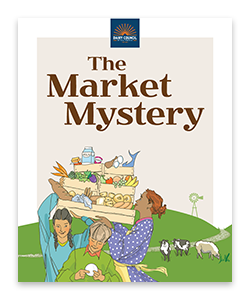
The Market Mystery digital storybook has been updated and is now available as an integrated dual-language flip-book with read-along videos available in both English and Spanish. This lively tale takes young readers on a journey to see where food
comes from and why a variety of foods help them grow healthy and stay strong.
Share this free resource to support dairy ag literacy in your community during October, which is National Farm-to-School Month, by ordering here.
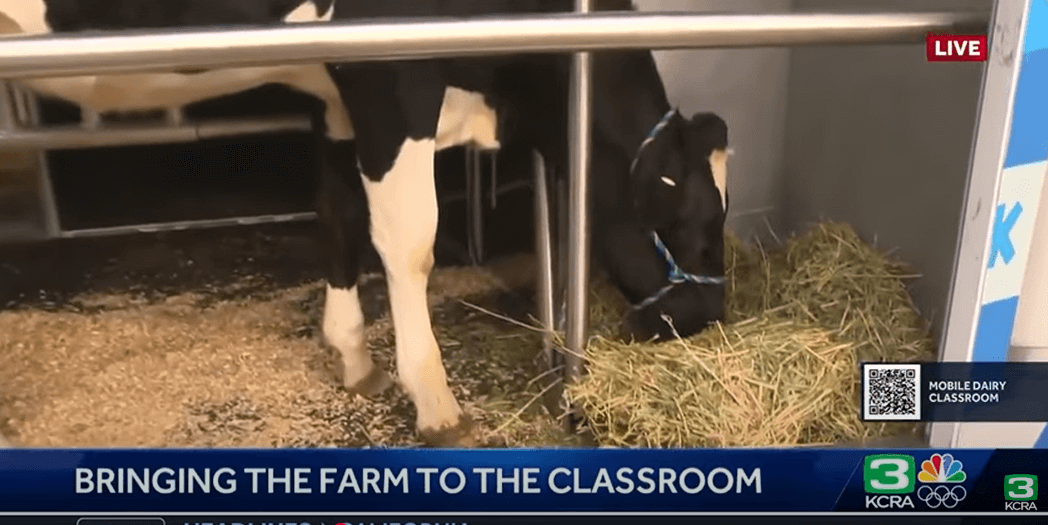
On Air: Dairy Council of California appeared on KCRA 3 Sacramento alongside a Mobile Dairy Classroom unit and school nutrition leaders, highlighting milk’s value in school meals. Watch the segment here.
The New York Times recently published two articles focused on dairy and nutrition.
Read them here:
If you have questions, concerns or feedback you would like to share, please do not hesitate to reach out.
Best regards,