Originally published in the Fall 2025 edition of PoppySeeds, the Official Journal for the California Child Nutrition Professional
Building Brighter Futures: How Farm-to-School Advances Nutrition, Learning and Local Food Systems
By Rajwinder Kaur, Dairy Council of California
As Farm-to-School participation continues to grow across California, schools are doing more than serving local foods. They are building resilient food systems, deepening food literacy and supporting lifelong healthy eating patterns for their students. At its core, Farm-to-School nurtures a deeper appreciation for nutrition and agriculture while helping build a healthier, more connected future for students, schools and communities.
Through local food procurement, school gardens, agriculture-based education, taste testing and farm tours, enriching experiences for students go far beyond the cafeteria. These efforts encourage children to explore where their food comes from, make informed food choices and understand how eating habits connect to broader systems of health, sustainability and equity.
The impact is measurable. According to the U.S. Department of Agriculture’s 2023 Farm to School Census, 77.4% of California school food authorities participate in Farm-to-School initiatives, with 67% (882 respondents) serving local food. Reported benefits include increased consumption of fruits and vegetables, higher school meal participation and reduced food waste.
 Dairy a Powerful Piece of the Puzzle
Despite being one of the most procured local foods in schools, dairy is often overlooked in Farm-to-School narratives. In 2023, milk was the top agricultural commodity produced in California, and it continues to be a key contributor to nutrition security in school meals.
Dairy foods like milk, yogurt and cheese provide high-quality protein, calcium, vitamin D and potassium, which are essential for growth and development. These foods support student health, cognitive performance and overall well-being, making them a natural fit for Farm-to-School integration.
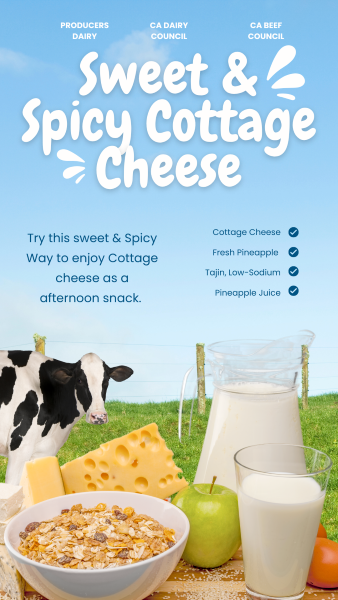
Local procurement also offers unique opportunities to introduce agricultural commodities in engaging ways that support education and cultural awareness. For example, Kern High School District partnered with a local dairy processor to host a global summer dairy foods tasting for students. Sweet and Spicy Cottage Cheese and Tzatziki-Style Dip were featured, and the feedback was overwhelmingly positive.
“It is always the best to introduce students of all grade levels to something different and new,” said Richard Andrews, Nutrition Services Administrator of Kern High School District and past president of the California School Nutrition Association. “They truly appreciate the inclusion and, more importantly, the interaction. It shows them their opinions and voices matter to the people making key decisions concerning them.”
Other districts are using Farm-to-School to bring dairy education to life. Menifee Union School District organized a dairy farm field trip for third graders following a Mobile Dairy Classroom visit. One student, Jayleen, shared, “My favorite part of the dairy field trip was feeding the cows and seeing how the milk machine works. Thank you, California Dairy Council.” Similarly, Val Verde Unified School District included the Mobile Dairy Classroom in its summer meals programming to connect students with agriculture while promoting balanced meals.
These activities not only elevate the food students are consuming but also strengthen food literacy and encourage students to see themselves as informed eaters, advocates and community members.
 A Year-Round Effort
While October is nationally recognized as Farm to School Month, the values behind Farm-to-School can and should be celebrated all year long. Dairy Council of California’s Well-Nourished, Brighter Futures: Dairy Dialogue report affirms that advancing student wellness requires ongoing collaboration between educators, nutrition leaders, farmers, food industry and students.
The report’s findings highlight the need for more culturally inclusive offerings, greater nutrition education both in and outside the classroom, and stronger partnerships between school districts and local food producers. Participants in the dialogue identified dairy as a key component of healthy school meals and called for more intentional efforts to incorporate it throughout the school year.
Supportive Resources
Schools looking to expand Farm-to-School efforts can use the following free resources from Dairy Council of California:
By integrating dairy into Farm-to-School through local suppliers, lessons, taste tests, tours and more, California schools can support healthier students, more informed consumers and stronger local communities, one meaningful experience at a time.