In this month's Nutrition Connections:
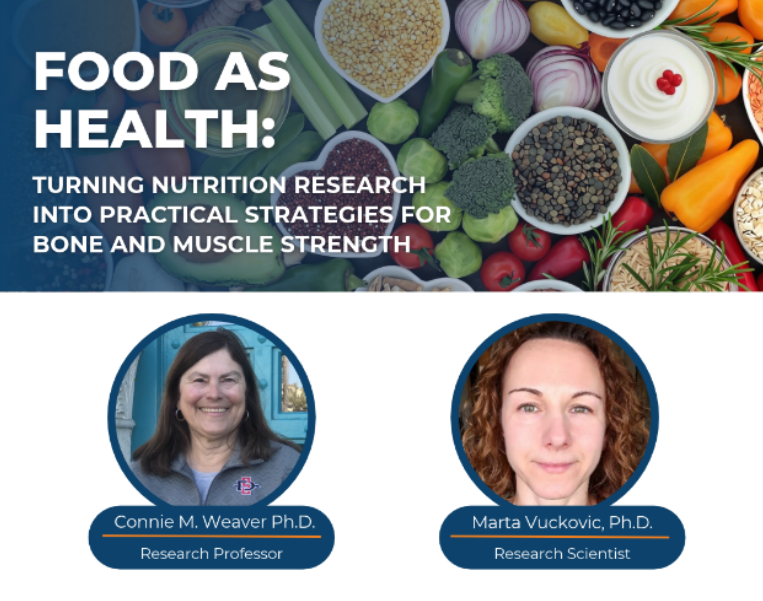
Food as Health Webinar: Turning Nutrition Research Into Practical Strategies for Bone and Muscle Strength
Food is more than fuel. It is a powerful tool to support lifelong bone and muscle health. This webinar explores the role of essential nutrients, bioactive compounds and functional foods in preventing and mitigating osteoporosis and sarcopenia across the lifespan. Watch the recording to gain practical, evidence-based strategies that support strength, function and overall well-being. The recorded webinar is approved by the Commission on Dietetic Registration for 1 CPEU. View here!
Webpage for Health Professionals
Access evidence-based nutrition resources, professional learning publications and webinars to support nutrition education on the webpage designed for health professionals.
Education for Children and Families
The Healthy Eating for Your Family booklet provides easy-to-understand nutrition guidance. Now, our new Explore Nutrition for Ages 9–11 resource extends that learning directly to children
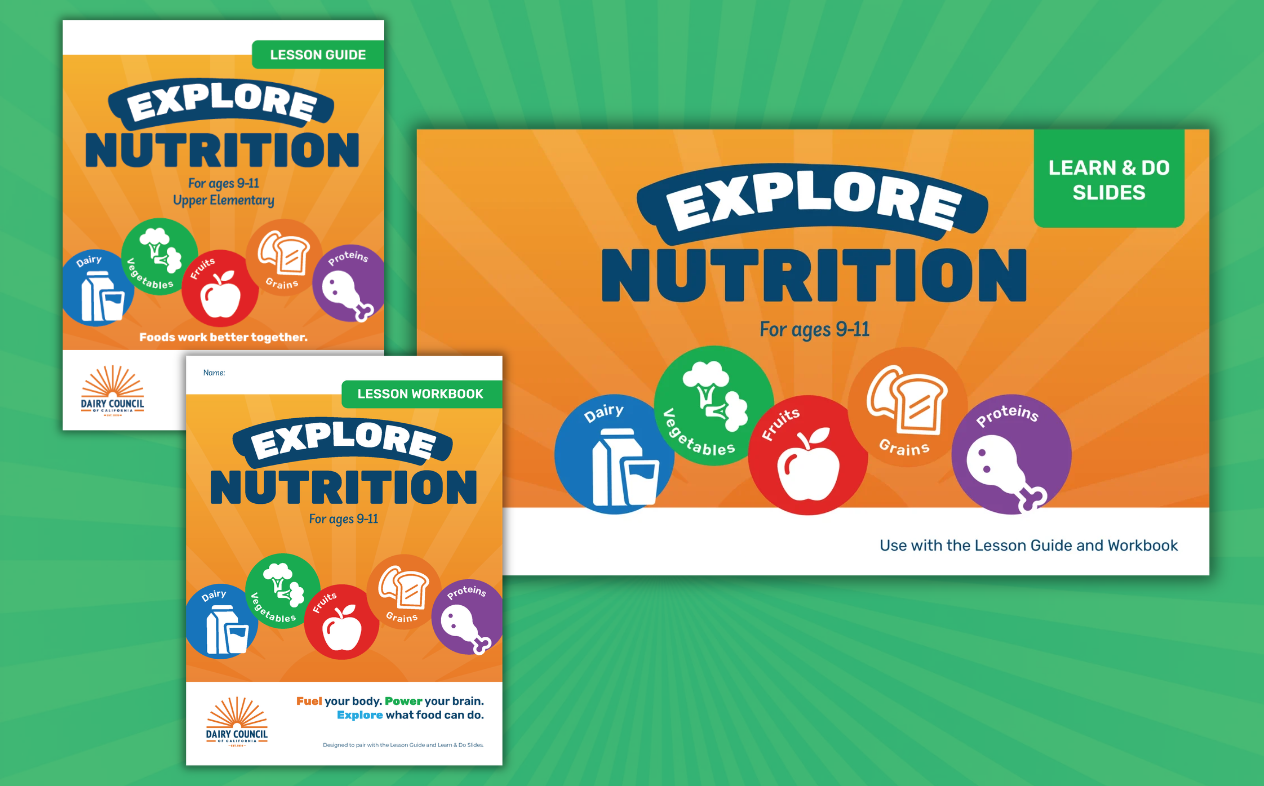
Created with educators and registered dietitians, this flexible four-lesson unit engages children in exploring food groups, nutrients, gut health, food labels and food packaging through interactive, age-appropriate activities. Whether used in healthcare, community or culinary settings, Explore Nutrition makes it easy to reinforce the healthy eating messages families are already learning. Download and share these resources.
Dairy foods have long been part of Hispanic and Latino food traditions. Familiar cheeses such as cotija, queso fresco, panela and Oaxaca add flavor, texture and important nutrients to meals across diverse cultures and regions. During National Hispanic Heritage Month, celebrate the rich culinary traditions that bring families and communities together.
Milk has been an important source of nutrition for thousands of years, and fermented dairy foods are part of many traditional food cultures. Lactose digestion varies among individuals, but it does not necessarily mean avoiding dairy. Yogurt and cheese contain less lactose, and lactose-free milk provides another option.
Dairy consumption also varies by socioeconomic status, race and ethnicity. Incorporating nutrient-dense foods such as milk, lactose-free milk, yogurt and cheese into culturally relevant meals can help support diet quality, nutrition security and health equity.
Find more FAQs on Dairy Council of California's Milk & Dairy Nutrition hub and discover how dairy supports several functional health benefits.
American Academy of Pediatrics Conference
Dairy Council of CA staff enjoyed connecting with pediatric clinicians from across the country at the American Academy of Pediatrics’ (AAP) 2026 National Conference and Exhibition in San Diego. A highlight was University of California, Irvine medical students' poster presentation on their experience educating patients using Dairy Council of CA's co-created resource Feeding Infants and Toddlers: Highlighting Hispanic Heritage Foods.
“We’re excited to share this work with the pediatric community and continue building partnerships to support nutrition education for young children and their families”. -Trina Robertson, MS, RDN, Health Sector & Program Evaluation Director
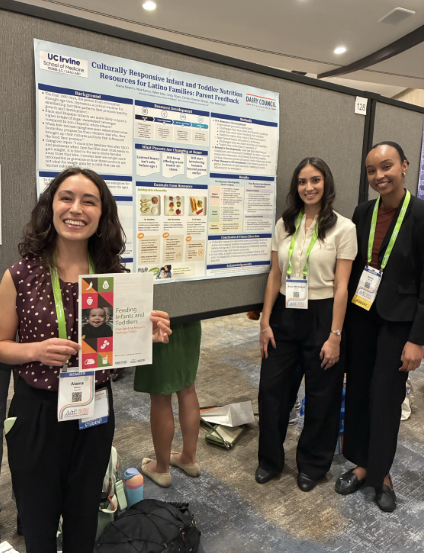
UC Irvine medical students Alaina Heeren and Irma Ramos, and USC medical resident Helen Leka, presenting their poster at the AAP conference.
Central Valley District of the California Academy of Nutrition and Dietetics,Oct. 12.
Dairy Council of CA staff will present on Fermented Dairy: Research, Taste and Real-World Application.
35th Annual CACFP ConferenceOct. 26–28: Dairy Council of CA staff and partners will present two sessions.
Academy of Nutrition and Dietetics Food & Nutrition Conference & Expo. Oct. 26-27. Be sure to visit the poster sessions and engage with Dairy Council of California’s authors presenting their research.
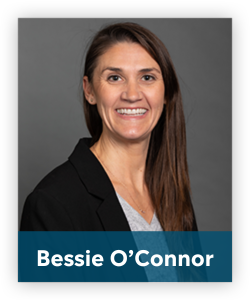
Questions or opportunities for collaboration? Please contact Bessie O’Connor, Registered Dietitian Nutritionist, at boconnor@dairycouncilofca.org.
Do you know someone who would benefit from evidence-based nutrition insights and practical resources? Feel free to share this newsletter with colleagues, partners and students in your network. Subscribe here.